Quick Answer
No — other people living in your home has no effect on your reverse mortgage as long as you continue occupying it as your primary residence, though your adult child gains no rights to the loan or the property, and if they intend to stay after your death they should understand now that they will need to pay off the balance or leave.
- Other occupants do not affect the loan. Your occupancy is what matters.
- Your adult child gains no rights to the loan, the credit line, or the property.
- They cannot be added as a borrower — only owner-occupants meeting the age minimum qualify.
- If they want to stay after your death, they must pay off the balance or leave.
- Discuss this now rather than letting them discover it later.
- Rental income from a family member can strengthen a financial assessment.
Key Facts
| Topic | Key Fact |
|---|---|
| Effect on loan | None — your occupancy is the requirement |
| Occupant rights | None to the loan, the credit line, or the property |
| Adding as borrower | Not possible — owner-occupancy and age minimums apply |
| After your death | They must pay off the balance, refinance, or vacate |
| Rental income | May count in the financial assessment if documented |
| Notification | No requirement to notify the servicer |
| Estate planning | Address their situation explicitly in your plan |
| California Prop 19 | Occupancy within one year preserves the Prop 13 basis if they inherit |
Detailed Explanation
Your reverse mortgage requires that you occupy the home as your primary residence. It says nothing about who else lives there. An adult child, a grandchild, a sibling, a caregiver, a tenant renting a room — none of them affect the loan. You do not need to notify the servicer, and their presence creates no complication as long as you continue living there yourself.
What is worth being clear about, ideally in an actual conversation rather than by assumption, is that your adult child acquires no rights through living in the home. They are not a borrower and cannot become one — HECM borrowers must be owner-occupants meeting the age requirement. They have no claim on the credit line. They cannot make draws or manage the account without a power of attorney you execute. And when the loan becomes due after your death, their years of residence give them no additional standing.
That last point is where families get hurt. An adult child who has lived in the home for eight years, who has treated it as their home, who may have contributed to maintenance or care, receives a due-and-payable notice and discovers they must pay off the balance or leave. If they inherit the property they have the same three options any heir has — pay off and keep, sell and retain any surplus, or surrender it. But if they are not an heir, or if the balance exceeds what they can finance, they will need to find somewhere else to live during a period of grief.
Address this now. If you intend for your adult child to have the home, say so in your estate plan and make sure they understand what it will cost to keep it. If they will need to qualify for financing to pay off the balance, they should know that years in advance so they can prepare. And if you are 62 or older and they are as well, they may eventually be able to obtain their own reverse mortgage on the property, which pays off yours and leaves them without a payment. That is worth knowing about early.
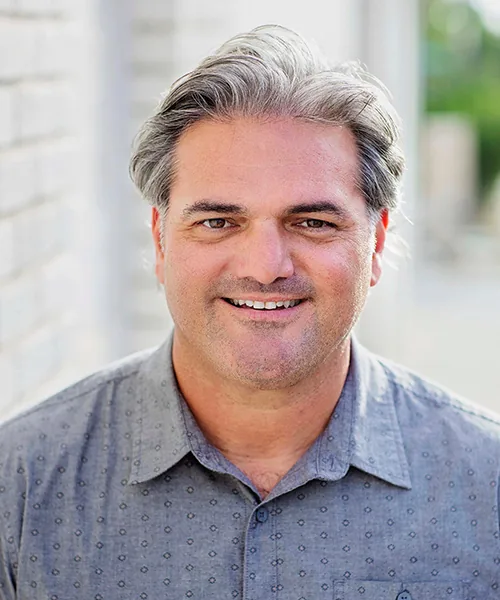
Jay Zayer, CRMP — 18 Years Experience
I ask about household composition in every consultation because it changes the estate conversation, not the loan. When a client tells me their son has lived with them for six years, I ask whether the son knows what happens to the house. Usually the answer is no, and usually nobody has thought about it. That is a conversation worth having at the kitchen table now rather than in a lawyer's office later. I have seen adult children lose homes they had lived in for a decade because nobody explained the mechanics while there was still time to plan.
Who This Is Right For
This may be a good fit if:
- Homeowners with a reverse mortgage whose adult child or other family member is moving in
- Multigenerational households planning for what happens after the borrower's death
This may NOT be the right fit if:
- There is no situation where clarifying the occupant's position would be inappropriate — ambiguity here causes real harm later
Common Misconception
Myth: An adult child who lives in the home gains rights to the reverse mortgage or the property.
Fact: Occupancy by family members creates no rights to the loan, the credit line, or the property. When the loan becomes due, an adult child who has lived there for years has the same options as any heir — pay off and keep, sell and retain any surplus, or vacate.
Source: HUD Handbook 4000.1, Section II.B — hud.gov
Authoritative Sources
- HUD Handbook 4000.1, Section II.B — hud.gov
- California BOE: Proposition 19 — boe.ca.gov
- CFPB: Reverse mortgages and heirs — consumerfinance.gov
People Also Ask
Does someone else living in my home affect my reverse mortgage?
No. The requirement is that you occupy the home as your primary residence. Other occupants have no effect and no notification is required.
Can I add my adult child to my reverse mortgage?
No. HECM borrowers must be owner-occupants meeting the age requirement. An adult child cannot be added as a borrower or gain access to the credit line.
What happens to my adult child living here when I die?
They have the same options as any heir if they inherit — pay off the balance and keep the home, sell and retain any surplus, or vacate. Years of residence create no additional rights, which is why planning ahead matters.