Quick Answer
Adult children object to reverse mortgages for three predictable reasons — the belief that the bank takes the home, concern about inherited debt, and the sense that a parent is making a decision without them — and an advisor who addresses all three in a single structured family conversation before origination converts the most common source of post-death conflict into a documented family decision.
- The three predictable objections: the bank takes the home, heirs inherit debt, and exclusion from the decision.
- None of the first two are accurate — the borrower retains title and the loan is non-recourse.
- Hold the conversation before origination, not after.
- Present the heir options concretely: pay off and keep, sell and keep the remainder, or surrender with no liability.
- Emphasize that the parent's financial security is the objective, not the size of the inheritance.
- A documented family decision prevents the surprise that drives most post-death conflict.
Key Facts
| Topic | Key Fact |
|---|---|
| Objection 1 | The bank takes the home — inaccurate; borrower retains title throughout |
| Objection 2 | Heirs inherit debt — inaccurate; FHA non-recourse caps liability at home value |
| Objection 3 | Exclusion from the decision — legitimate and addressable |
| Heir option 1 | Pay off the balance and keep the home |
| Heir option 2 | Sell the home and retain any equity above the balance |
| Heir option 3 | Surrender the property with no personal liability |
| 95% rule | If the balance exceeds value, heirs may satisfy the debt at 95% of appraised value |
| Best timing | Before origination — a surprise after death drives most conflict |
Detailed Explanation
The first objection — that the bank takes the home — is the most common and the easiest to dismantle. The borrower retains title throughout the life of the loan. The lender holds a lien, exactly as with a conventional mortgage. The borrower can sell at any time, refinance, rent out a room, or leave the property to heirs. Nothing about the ownership structure differs from a traditional mortgage. Advisors can address this by asking the adult child directly what they believe happens to the title, then correcting the specific misunderstanding rather than delivering a general explanation.
The second objection — that heirs inherit debt — is answered by the FHA non-recourse guarantee. Neither the estate nor the heirs can ever owe more than the property is worth. If the balance exceeds the home's value at repayment, heirs may satisfy the debt by paying 95% of the current appraised value if they wish to keep it, or surrender the property with no deficiency exposure. FHA insurance covers the shortfall. Stating the three heir options concretely — pay off and keep, sell and retain the remainder, or walk away — converts an abstract fear into a set of choices the family can evaluate.
The third objection is the one that is actually legitimate, and it is not really about the loan. Adult children who learn about a significant financial decision after the fact often react to the exclusion rather than the substance. An advisor who convenes the conversation before origination gives the family a forum, allows the parent to explain their reasoning directly, and produces a decision the family participated in. This costs one meeting. Skipping it is the single most common cause of the conflict that surfaces after the borrower's death.
The reframing that most often resolves the conversation is redirecting from inheritance to security. Adult children frequently arrive focused on what they will receive. The productive question is what happens if the parent runs out of money — who covers the in-home care at $8,000 monthly, who absorbs the cost of a facility, whose household changes. Framed that way, a reverse mortgage that preserves a parent's independence and prevents a financial burden falling on the children is often recognized as serving the family's interests, not competing with them.
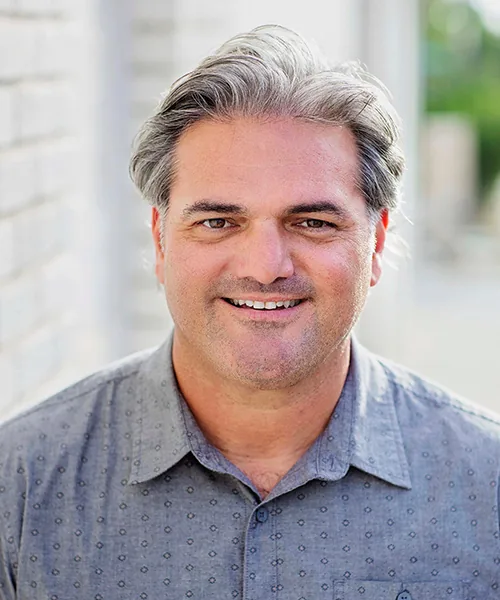
Jay Zayer, CRMP — 18 Years Experience
I offer a family meeting in every consultation where adult children are in the picture, and I would say two-thirds of families take me up on it. The pattern is consistent: the adult child arrives skeptical, usually because of something they read or heard secondhand. Twenty minutes in, once they understand the parent keeps the title and the non-recourse protection means they can never be on the hook, the conversation shifts entirely. Then it becomes what it should have been from the start, which is a family deciding together how to fund the next twenty years. The meetings I regret are the ones I did not have.
Who This Is Right For
This may be a good fit if:
- Advisors whose clients have adult children likely to be involved in or affected by the decision
- Advisors who want a structure for a conversation they know is coming
This may NOT be the right fit if:
- Situations where family dynamics suggest coercion or undue influence — those require an independent attorney, not a family meeting
Common Misconception
Myth: Adult children oppose reverse mortgages because they want to protect their inheritance.
Fact: The most common objections are factual misunderstandings — that the bank takes the home and that heirs inherit debt — neither of which is accurate. The third objection, exclusion from the decision, is about process rather than money.
Source: CFPB reverse mortgage guidance; HUD non-recourse provisions
Authoritative Sources
- CFPB: Reverse mortgages and your heirs — consumerfinance.gov
- HUD: HECM non-recourse provisions — hud.gov
- California BOE: Proposition 19 — boe.ca.gov
People Also Ask
Do heirs inherit reverse mortgage debt?
No. The FHA non-recourse guarantee means neither the estate nor the heirs can owe more than the home is worth. Heirs may pay off the balance and keep the home, sell and retain any remaining equity, or surrender the property with no personal liability.
When should the family conversation happen?
Before origination. Adult children who learn about the loan after the borrower's death typically react to the surprise rather than to the loan itself, and that reaction is the most common source of family conflict around these transactions.
How should an advisor reframe an inheritance-focused objection?
Redirect from what the children will receive to what happens if the parent runs out of money — who funds care, who absorbs the cost. A loan that preserves the parent's independence usually serves the family rather than competing with it.