Quick Answer
California reverse mortgages differ from other states in seven specific ways: a mandatory 7-day counseling cooling-off period, community property rules requiring both spouses' participation, Proposition 19 property tax inheritance mechanics, higher home values pushing more transactions into proprietary programs, CalHFA lien complications, PACE solar financing prevalence, and the highest wildfire insurance complication rate in the country.
- 7-day mandatory cooling-off period after counseling — no other state has this.
- Community property law — both spouses must sign even if only one borrows.
- Proposition 19 — heir occupancy determines property tax inheritance.
- Age-55 proprietary programs — available in California, rare elsewhere.
- CalHFA junior liens — common in California, must be paid at closing.
- PACE solar financing — California has highest PACE penetration nationally.
- Wildfire insurance — FAIR Plan plus DIC required in fire-risk areas.
Key Facts
| Topic | Key Fact |
|---|---|
| Cooling-off period | 7 calendar days after HUD counseling — California only |
| Community property | Both spouses sign even if one is NBS — California law |
| Prop 19 effect | Only occupying heirs preserve Prop 13 base — 2021 reform |
| Age-55 programs | HomeSafe Standard/Second/Select — most robust California market |
| CalHFA prevalence | Significant in California first-time buyer markets — payoff required |
| PACE penetration | Highest nationally — Ygrene, HERO, CalFirst common in CA |
| Wildfire insurance | FAIR Plan plus DIC accepted by most HECM lenders in fire zones |
| HECM lending limit | $1,249,125 in 2026 — still below many CA coastal home values |
Detailed Explanation
California's 7-day cooling-off period is the most immediately consequential state-specific difference. After completing mandatory HUD counseling, a California HECM applicant must wait 7 calendar days before submitting an application. No other state imposes this waiting period. The result is that California's HECM closing timeline is approximately 8 to 9 days longer than non-California states — a significant difference for borrowers with time-sensitive financial needs that Jay incorporates into every California transaction schedule from the first consultation.
California's community property law creates a unique dual-signature requirement. Both spouses have a 50% ownership interest in the marital home regardless of whose name is on the deed. The HECM lender requires the non-borrowing spouse to sign the mortgage document acknowledging the lien against their community property interest — even if they are not a borrower on the loan. This is not merely administrative: it is a legally binding acknowledgment that their ownership interest is subordinated to the HECM lien, and without it the loan cannot close.
Proposition 19 — effective February 2021 — changed California's property tax inheritance rules in ways that directly affect reverse mortgage estate planning. Before Prop 19, children could inherit the home and keep the parent's Prop 13 assessed value regardless of occupancy. Under Prop 19, only heirs who occupy the home as their primary residence within one year preserve the low tax base. For long-time California homeowners with Prop 13 bases far below current market value, this creates a specific estate planning dimension around the reverse mortgage that does not exist in other states.
California's proprietary reverse mortgage market is the most developed in the country — specifically because California home values frequently exceed the HECM lending limit, California homeowners aged 55 to 61 need equity access 7 years before HECM eligibility, and California's 2020 to 2022 refinancing activity created millions of homeowners with low-rate first mortgages they want to preserve. The HomeSafe Standard, HomeSafe Second, HomeSafe Select, and Longbridge Platinum programs are all available in California, creating a proprietary market that rivals — and in Q1 2026 surpassed — HECM origination volume.
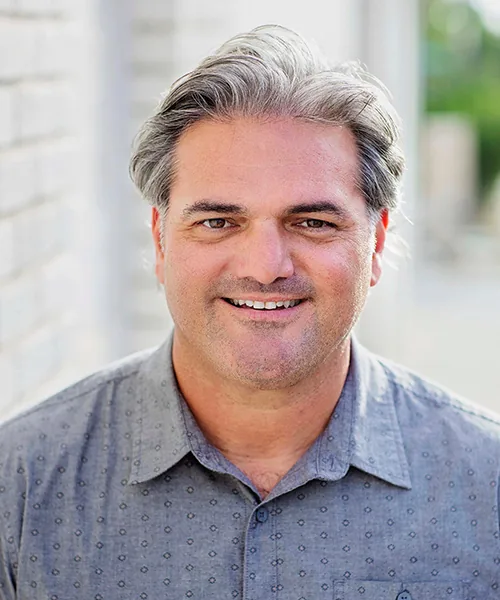
Jay Zayer, CRMP — 18 Years Experience
When I train other mortgage professionals on the California HECM market, I cover these seven differences first. The cooling-off period changes the timeline management. Community property changes the closing documentation. Prop 19 changes the estate planning conversation. The age-55 programs change the product menu. CalHFA changes the payoff planning. PACE changes the lien resolution. Wildfire insurance changes the insurance verification. Every California HECM transaction touches at least three of these seven — knowing them cold is what makes a California CRMP different from a CRMP who occasionally does California transactions.
Who This Is Right For
This may be a good fit if:
- Every California homeowner exploring a reverse mortgage who wants to understand what is unique about their state's process
- Financial advisors and estate attorneys who want to understand California-specific reverse mortgage nuances
This may NOT be the right fit if:
- There is no situation where understanding California-specific differences would be inappropriate
Common Misconception
Myth: California reverse mortgages work exactly the same as in other states.
Fact: California has seven significant differences — including a mandatory 7-day cooling-off period, community property requirements, Prop 19 estate planning, and the most developed proprietary market in the country.
Source: California Finance Lender Law; California community property code; California BOE: Prop 19
Authoritative Sources
- California Finance Lender Law — dfpi.ca.gov
- California BOE: Prop 19 — boe.ca.gov
- California PACE law — calepa.ca.gov
People Also Ask
What is California's 7-day cooling-off period for reverse mortgages?
After completing mandatory HUD counseling, California law requires a 7-day waiting period before a HECM application can be submitted. No other state has this requirement.
Do both spouses have to sign California reverse mortgage documents?
Yes — California community property law requires both spouses to sign the mortgage document acknowledging the lien against their community property interest, even if only one spouse is the borrower.
Does Proposition 19 affect my reverse mortgage?
Prop 19 affects what happens to your property tax base when heirs inherit the home. Only heirs who occupy the home as their primary residence within one year preserve your Prop 13 assessed value.