Quick Answer
Yes, if you are 62 or older and can establish ownership of the property — and at an older age your principal limit is typically higher than your late spouse's was, which frequently makes this the best available solution for a non-borrowing spouse who lost access to credit line funds and tenure payments.
- Yes, if you are 62 or older and own the property.
- Ownership must be established first — through the trust or through probate.
- Your principal limit at an older age is typically higher than your spouse's was.
- The new loan pays off the existing one and gives you a credit line in your own name.
- You may elect tenure payments again if you need monthly income.
- California probate of nine to eighteen months is the main obstacle if there was no trust.
Key Facts
| Topic | Key Fact |
|---|---|
| Age requirement | 62 or older for a HECM; 55 for proprietary programs |
| Ownership requirement | Must hold title before borrowing |
| Principal limit factor | Rises with age — often higher than the original borrower's |
| Existing loan | Paid off by the new loan at closing |
| Payment plan | May elect tenure, term, or line of credit |
| Trust-held property | Successor trustee can transfer title promptly |
| Probate-held property | California probate commonly nine to eighteen months |
| Closing costs | New loan carries new closing costs including upfront MIP |
Detailed Explanation
This is the solution that most often works for a surviving non-borrowing spouse, and many people in that position never learn it exists. Once you own the property, you may apply for your own reverse mortgage. The new loan pays off your late spouse's balance and establishes a new one in your name, with a new principal limit calculated on your age and current rates.
The age arithmetic frequently works in your favor. Principal limit factors rise meaningfully with age. If your husband took out the loan at 68 and you are now 76, your principal limit factor is substantially higher than his was. Depending on how much his balance has grown and how much the home has appreciated, you may end up with more available credit than the original loan provided — along with the ability to elect tenure payments again if you need monthly income.
The gating requirement is ownership. You cannot borrow against a property you do not own. If the home was held in a revocable living trust, the successor trustee provisions typically allow title to transfer within weeks and you can move quickly. If it was held in your spouse's name individually, probate is required, and California probate commonly runs nine to eighteen months. During that period you cannot refinance, which is why establishing whether a trust exists is the first thing to determine.
Run the numbers before assuming this works. The new loan carries new closing costs, including a fresh upfront FHA mortgage insurance premium of 2% of the maximum claim amount. If your late spouse's balance is large relative to the home's value, the new principal limit may not cover the payoff plus closing costs. A CRMP can model this quickly, and the answer determines whether this path is available or whether you need to consider selling instead.
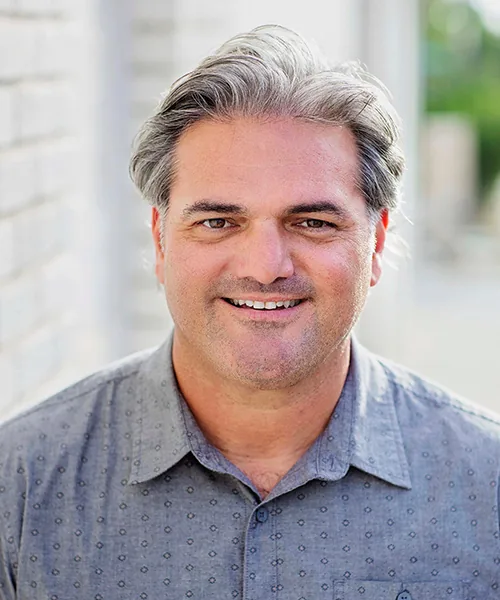
Jay Zayer, CRMP — 18 Years Experience
When a widow calls me and the tenure payments have stopped, this is the first thing I check. How old is she, and can we get title into her name. If she is 76 and he took the loan at 68, her numbers are usually better than his were, and we can often restore the monthly income she lost. The whole thing hinges on the ownership question, which is why I ask about a trust in the first two minutes. If there is one, we can move. If there is not, we start probate today and manage the servicer in the meantime.
Who This Is Right For
This may be a good fit if:
- Surviving non-borrowing spouses 62 or older who lost credit line access and tenure payments
- Surviving spouses who have established or can establish ownership of the property
This may NOT be the right fit if:
- Surviving spouses under 62 — though proprietary programs at 55 may be available
- Situations where the existing balance is too large relative to the home's value for a new loan to cover the payoff
Common Misconception
Myth: A surviving spouse who was not on the original reverse mortgage can never access the home's equity.
Fact: A surviving spouse 62 or older who establishes ownership may obtain their own reverse mortgage, which pays off the existing loan and creates a new credit line in their name — often with a higher principal limit factor due to their older age.
Source: HUD: HECM eligibility requirements — hud.gov
Authoritative Sources
- HUD: HECM eligibility and principal limit factors — hud.gov
- California Courts: Probate self-help — courts.ca.gov
- California BOE: Proposition 19 portability — boe.ca.gov
People Also Ask
Can a widow get her own reverse mortgage on the same house?
Yes, if she is 62 or older and can establish ownership. The new loan pays off the existing balance and creates a new credit line in her name.
Will my principal limit be higher than my spouse's was?
Often yes, because principal limit factors rise with age. If you are meaningfully older now than your spouse was at origination, your factor is higher.
What if probate takes too long?
Notify the servicer in writing that probate is pending, provide the case number, and request accommodation with documented progress. Servicers generally work with surviving spouses who are actively moving forward.