Quick Answer
Every reverse mortgage borrower should proactively share specific loan details with at least one trusted heir or family member — including the servicer's name, the servicer's phone number, the approximate loan balance, and the key steps to take immediately after death — to ensure that heirs can act quickly within HUD's resolution timeline.
- Tell at least one trusted adult about the loan — name and phone number of servicer.
- Share the approximate loan balance and the home's estimated current value.
- Explain the three options: keep, sell, or walk away (non-recourse protection).
- Keep loan documents accessible — not locked in a safe deposit box that requires probate to open.
- Designate a trusted contact with the servicer — they can be notified of issues.
- Consider a family meeting with Jay to walk heirs through the process before any crisis.
Key Facts
| Topic | Key Fact |
|---|---|
| Most important information to share | Servicer name and phone number — everything else follows from there |
| Recommended document location | Home file or fireproof safe with known combination — not sealed |
| Trusted contact | Can be designated with servicer — received notifications and contacts |
| Family meeting option | Jay can conduct a 30-minute family briefing by phone or video |
| Timing | Before any health crisis — when everyone is calm and clear-headed |
| California-specific | Successor trustee in living trust needs same information |
| Servicer contacts | Celink: 1-800-489-0986; Finance of America Reverse: 1-800-449-0747 |
| What heirs often do first | Search online — pre-educating heirs prevents panic-driven decisions |
Detailed Explanation
The discovery of a reverse mortgage after a parent's death — particularly if the parent never mentioned it — creates unnecessary urgency, confusion, and stress for heirs who have no context for what they have found. Heirs who did not know about the loan may spend weeks trying to understand what it is before taking any action, consuming valuable time from the 6-month HUD timeline. Proactive family communication prevents this entirely.
The minimum information to share with at least one trusted family member: the servicer's name and phone number (the primary contact for everything after the borrower's death), the approximate current loan balance (so heirs understand the financial picture without waiting for servicer disclosure), and the home's estimated current value (so heirs can immediately assess whether equity remains). This three-piece information set allows heirs to make an informed initial decision about their options within days of learning about the death.
The document location strategy is important in California because a reverse mortgage's closing documents are often stored in a home filing system or safe. Documents locked in a bank safe deposit box require California probate authority to access — which creates a circular problem (the executor needs the documents to manage the estate, but needs probate authority to access the documents). Keeping a copy of key documents — the loan agreement, the servicer contact information, and a one-page summary of heir options — in a readily accessible home location prevents this access problem.
The family meeting option is one Jay offers to every California client whose adult children are engaged in the estate planning conversation. A 30-minute phone or video meeting with Jay, the borrower, and their adult children or other heirs walks everyone through the process: what the loan is, who the servicer is, what the options are at death, and how the living trust interacts with the loan. This education prevents the panic and confusion that often accompanies discovery of a reverse mortgage at a time of grief.
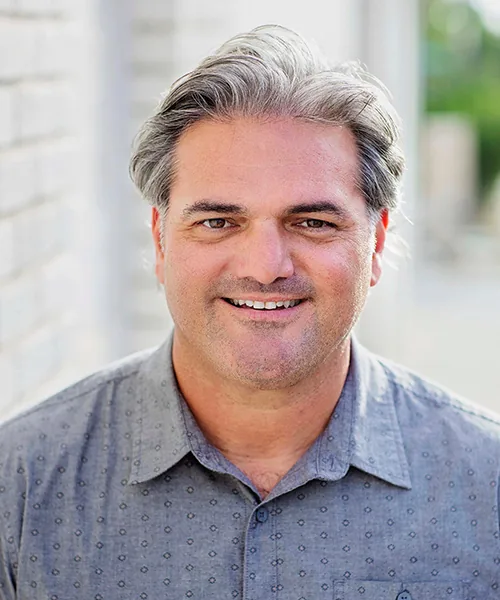
Jay Zayer, CRMP — 18 Years Experience
I now include a family communication step in every California HECM closing. At the closing appointment, I give the borrower a one-page 'Heir Information Sheet' — servicer name and number, approximate balance, the three heir options, and the living trust successor trustee's name and phone number if applicable. I ask the borrower to give this sheet to at least one adult family member and to tell me who that person is so I can reach out to them directly if I am ever concerned. It is a small step that has prevented numerous heir crises.
Who This Is Right For
This may be a good fit if:
- Every reverse mortgage borrower who wants to ensure their heirs are prepared to act quickly and without panic when the time comes
This may NOT be the right fit if:
- There is no situation where communicating with heirs about the reverse mortgage would be inappropriate — it is universally beneficial
Common Misconception
Myth: The reverse mortgage is a private financial matter that I do not need to tell my children about.
Fact: While it is your private decision, the practical consequences of not telling your heirs can be significant: delayed action, confusion, and potentially missed HUD timelines that result in unnecessary foreclosure proceedings.
Source: HUD: HECM heir notification best practices
Authoritative Sources
- HUD: HECM heir notification — hud.gov
- CFPB: Reverse mortgage family communication — consumerfinance.gov
- NRMLA: Heir education resources — nrmlaonline.org
People Also Ask
What information should I give my heirs about my reverse mortgage?
At minimum: the servicer's name and phone number, the approximate loan balance, and the location of the closing documents. Ideally: a brief explanation of the three heir options and the 6 to 12 month timeline.
Can my adult child be added as a trusted contact with the servicer?
Yes — you can designate a trusted contact with the servicer at any time. The servicer can contact this person if they are having difficulty reaching you.
Should I have a family meeting with Jay to prepare my heirs?
Yes — Jay offers a 30-minute family briefing by phone or video where he explains the reverse mortgage to your adult children or other heirs. Call 760-271-8646 to schedule.