Quick Answer
If you were designated an eligible non-borrowing spouse at origination, yes — you may remain in the home for life under HUD's deferral provisions as long as you meet the ongoing obligations, though you cannot access any remaining credit line funds; if you were not designated, the loan becomes due and payable and you need help immediately.
- If designated an eligible non-borrowing spouse, you may remain in the home.
- You must continue paying property taxes, insurance, and maintaining the home.
- You must occupy the home as your primary residence.
- You cannot draw remaining credit line funds or receive tenure payments.
- You must establish legal ownership or the right to remain within 90 days of the death.
- If you were not designated, contact a CRMP and an elder law attorney this week.
Key Facts
| Topic | Key Fact |
|---|---|
| Eligible NBS deferral | May remain in the home for life if obligations are met |
| Ongoing obligations | Property taxes, insurance, occupancy, maintenance |
| Credit line access | None during the deferral period |
| Tenure payments | Stop at the borrower's death |
| Ownership requirement | Must establish ownership or right to remain, generally within 90 days |
| Annual certification | Must certify continued eligibility annually |
| If not designated | Loan becomes due and payable |
| Governing guidance | HUD Mortgagee Letters 2014-07 and 2015-15 |
Detailed Explanation
HUD created the eligible non-borrowing spouse deferral specifically because of what happened before 2015. Surviving spouses — often widows in their sixties who had been left off loans to increase the principal limit — received due-and-payable notices and were forced to sell homes they had lived in for decades. The reforms in Mortgagee Letters 2014-07 and 2015-15 established the deferral period, which allows a properly designated non-borrowing spouse to remain in the home rather than being displaced.
If you were designated, your right to stay is real and it is not time-limited. You may remain in the home for the rest of your life. What you must do is continue meeting the same obligations your husband had: pay the property taxes, maintain homeowner's insurance without lapse, keep the property in reasonable repair, and occupy it as your primary residence. You will also need to certify your continued eligibility annually to the servicer, similar to the occupancy certification your husband completed.
There is a step that must happen promptly and that catches people. You must establish legal ownership of the property or otherwise document your right to remain in it, generally within 90 days of your husband's death. If the home was held in a revocable living trust, the successor trustee provisions typically handle this cleanly. If it was held in his name individually, this may require probate — and California probate commonly runs nine to eighteen months, which is far longer than 90 days. Notify the servicer in writing immediately that probate is pending and request accommodation.
What you do not get is money. Any remaining credit line becomes unavailable when the borrower dies. Tenure payments stop. If your household budget depended on that income, the deferral keeps you housed but does not keep you solvent, and you need to address the income gap separately. If you are 62 or older, one option worth exploring with a CRMP is obtaining your own reverse mortgage on the property after ownership is established — which would pay off the existing loan and give you access to a new credit line in your own name.
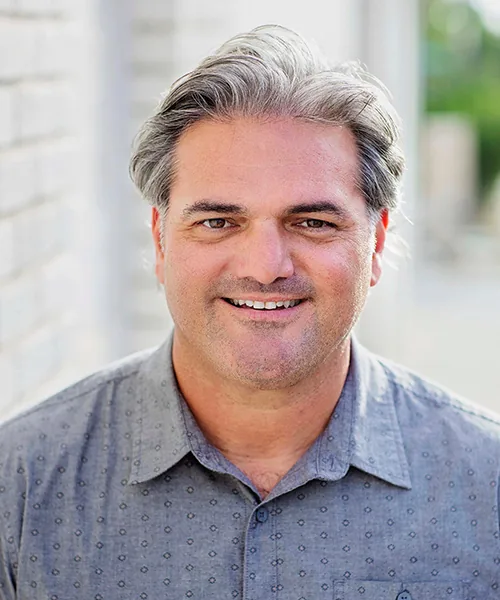
Jay Zayer, CRMP — 18 Years Experience
These are the calls I take most seriously, and I take them whether or not I wrote the loan. The first thing I tell a widow in this situation is that if she was designated properly, nobody is taking her house — she can stay for the rest of her life. Then we deal with the two hard parts: getting ownership established, which in California usually means probate unless there was a trust, and figuring out what she does about the income that just stopped. Both are solvable. Neither solves itself if she waits.
Who This Is Right For
This may be a good fit if:
- Surviving non-borrowing spouses determining whether they may remain in the home
- Adult children helping a widowed parent establish their rights under an existing loan
This may NOT be the right fit if:
- Spouses who married the borrower after the loan closed — they were not designated and face a due-and-payable loan requiring different action
Common Misconception
Myth: A surviving spouse who was not on the reverse mortgage loses the home automatically.
Fact: A properly designated eligible non-borrowing spouse may remain in the home for life under HUD's deferral provisions, provided they meet the property charge, occupancy, and maintenance obligations and establish ownership within the required timeframe.
Source: HUD Mortgagee Letter 2014-07; ML 2015-15
Authoritative Sources
People Also Ask
How long can a non-borrowing spouse stay in the home?
For life, provided they continue meeting the property charge, occupancy, and maintenance obligations and certify their eligibility annually to the servicer.
Can a non-borrowing spouse use the credit line?
No. Any remaining credit line becomes unavailable at the borrower's death, and tenure payments stop.
What if California probate takes longer than 90 days?
Notify the servicer in writing immediately that probate is pending, provide the case number when filed, and request accommodation with documentation of progress. Servicers generally work with surviving spouses who are demonstrably moving forward.