Quick Answer
As a reverse mortgage borrower ages, three practical issues emerge — managing the servicer relationship becomes harder, the risk of a property charge lapse increases, and the possibility of an extended care absence approaches the twelve-month occupancy limit — all of which are addressable through a trusted contact designation, a voluntary LESA, and durable power of attorney established while capacity is intact.
- Designate a trusted contact with the servicer while the borrower is healthy.
- Consider a voluntary LESA so the servicer pays taxes and insurance directly.
- Execute a durable power of attorney covering real property matters.
- The twelve-month absence rule becomes more relevant as care needs increase.
- Confirm non-borrowing spouse status and co-borrower designations are current.
- Family should know which servicer holds the loan and where the documents are.
Key Facts
| Topic | Key Fact |
|---|---|
| Trusted contact | Designated with the servicer; receives notices if the borrower does not respond |
| Voluntary LESA | Servicer pays taxes and insurance from a set-aside |
| Durable power of attorney | Must be reviewed and accepted by the servicer |
| 12-month absence rule | Triggers due and payable; applies to medical absences |
| Co-borrower status | Both borrowers must die or leave before the loan is due |
| NBS deferral | Eligible non-borrowing spouse may remain after borrower's death |
| Capacity | Required at signing; later management uses the POA |
| Occupancy certification | Trusted contact or POA can assist with completion |
Detailed Explanation
The trusted contact designation is the simplest and most valuable protection available and is routinely overlooked. A borrower may designate a family member or advisor with the servicer as a trusted contact who receives copies of notices and can be reached if the borrower does not respond. This does not grant authority to act on the account — it simply ensures someone else sees the annual occupancy certification, the insurance lapse notice, or the property tax delinquency letter. The most common serious problems in reverse mortgage servicing involve a borrower who stopped opening mail and had nobody watching.
A voluntary Life Expectancy Set-Aside addresses the property charge risk directly. Borrowers who were not required to take a LESA at closing may elect one, reserving funds from the principal limit so the servicer pays taxes and insurance from the set-aside rather than relying on the borrower to write the checks. This reduces available proceeds, which is a real cost, but for an aging borrower it converts the leading cause of reverse mortgage default into an administrative non-issue.
The durable power of attorney should be executed while capacity is unquestionably intact and should specifically cover real property and mortgage matters. Servicers review the instrument and may reject one that lacks adequate authority. A family that discovers the POA is insufficient after a parent's cognitive decline has begun faces a conservatorship proceeding — expensive, slow, and requiring court authorization for actions that a proper POA would have handled routinely.
The twelve-month absence rule becomes the central concern as care needs increase. A borrower who enters a rehabilitation facility after a fall, then transitions to assisted living, may cross the twelve-month threshold without anyone tracking it. If a co-borrower or eligible non-borrowing spouse remains in the home, the loan continues. If the borrower lived alone, the loan becomes due and payable, and the family must sell, refinance, or surrender the property. Families should track this date deliberately rather than discovering it in a servicer notice.
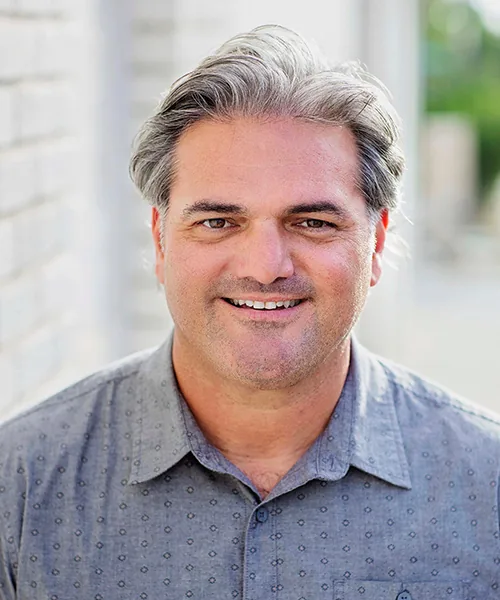
Jay Zayer, CRMP — 18 Years Experience
The call I dread is from an adult child who says their parent has dementia and the house is about to go into default because nobody knew the insurance lapsed. Every piece of that is preventable with three things done years earlier: a trusted contact on file with the servicer, a durable power of attorney that actually covers real property, and either a LESA or a family member watching the tax and insurance dates. I bring this up with clients in their seventies, not their nineties, because by then it is often too late to execute the documents.
Who This Is Right For
This may be a good fit if:
- Borrowers in their seventies and eighties planning for the loan's management as they age
- Adult children helping a parent manage an existing reverse mortgage
- Advisors and attorneys structuring incapacity planning for clients with reverse mortgages
This may NOT be the right fit if:
- Situations where capacity has already declined significantly — those require immediate legal consultation rather than routine planning
Common Misconception
Myth: A reverse mortgage becomes due when the borrower turns a certain age.
Fact: Age never triggers a reverse mortgage becoming due. The loan becomes due when the last borrower dies, sells, or is absent from the home for more than twelve consecutive months, or upon failure to meet property charge obligations.
Source: HUD Handbook 4000.1, Section II.B — due and payable events
Authoritative Sources
- HUD Handbook 4000.1, Section II.B — due and payable events — hud.gov
- CFPB: Planning for diminished capacity — consumerfinance.gov
- HUD: HECM servicing and trusted contacts — hud.gov
People Also Ask
What is a trusted contact on a reverse mortgage?
A designated person who receives copies of servicer notices and can be reached if the borrower does not respond. It does not grant authority to act on the account, but it ensures someone else sees critical notices.
Can a power of attorney manage a reverse mortgage?
Yes, if the instrument is durable and grants adequate authority over real property. The servicer reviews and must accept it. Execute this while capacity is unquestionably intact.
What happens if the borrower moves to a nursing home permanently?
The loan becomes due and payable after twelve consecutive months of absence. If a co-borrower or eligible non-borrowing spouse remains in the home, the loan continues.