Quick Answer
A California reverse mortgage borrower who dies without a living trust leaves heirs facing a potential conflict between California's 12 to 18 month probate timeline and HUD's 6 to 12 month reverse mortgage resolution timeline — making probate avoidance through a living trust the most important estate planning action for California reverse mortgage borrowers.
- California probate: 12 to 18 months — no executor authority during this period.
- HUD due-and-payable timeline: 6 to 12 months maximum.
- These timelines conflict — probate can outlast HUD's allowable resolution period.
- Living trust: successor trustee acts immediately — no probate needed.
- Executor cannot contact servicer effectively until probate court appointment.
- California probate cost: up to $50,000 to $80,000 on a $1 million+ estate.
Key Facts
| Topic | Key Fact |
|---|---|
| California probate duration | 12 to 18 months — longer for complex estates |
| Executor appointment | Probate court must appoint — not immediate, not automatic |
| HUD initial timeline | 6 months — before executor may even have authority in probate |
| Maximum HUD timeline | 12 months total — may still be insufficient if probate is slow |
| Living trust advantage | Successor trustee acts immediately — probate bypassed entirely |
| California probate cost | 2% to 4% of gross estate — $22,000 to $44,000 on $1.1M home |
| Attorney fees | Statutory attorney fees: additional 2% to 4% of gross estate |
| HUD extension during probate | Servicer may grant extensions if estate is in active probate |
Detailed Explanation
California probate is one of the most time-consuming and expensive in the United States. The process requires filing a petition with the Superior Court, publishing legal notice (3 weeks minimum), waiting for creditor claims (4 months), obtaining a court hearing, and ultimately distributing assets under court supervision. For a home with a reverse mortgage, no one has legal authority to act on behalf of the estate until the probate court appoints the executor — a process that itself can take 2 to 4 months after the filing date.
The conflict with the reverse mortgage is direct and specific: if the borrower dies without a living trust in late October, the probate petition might not be filed until December, the executor might not be appointed until February, and the HUD 6-month timeline expires in April. The executor who finally has authority in February has only 2 months of remaining HUD timeline to identify the loan, contact the servicer, evaluate options, and arrange resolution. This is insufficient for a sale in most California markets and certainly insufficient for refinancing.
HUD does recognize probate as a circumstance that may justify extensions beyond the standard timeline. The servicer can be contacted by whoever is managing the estate and informed that the property is in active California probate — requesting extensions while the probate process proceeds. HUD servicers are generally responsive to these requests when adequate documentation is provided. However, relying on servicer discretion for extensions rather than having the clear authority of a living trust successor trustee is a worse planning outcome.
The living trust solution is elegant in its simplicity: the successor trustee named in the trust has immediate authority to act upon the borrower's death — presenting the death certificate and trust certification to the servicer within days, requesting extensions, listing the property, and arranging resolution. No court involvement. No 12 to 18 month wait. No conflict with HUD's timeline. The entire estate administration for the home occurs outside the probate system, faster, cheaper, and with more flexibility.
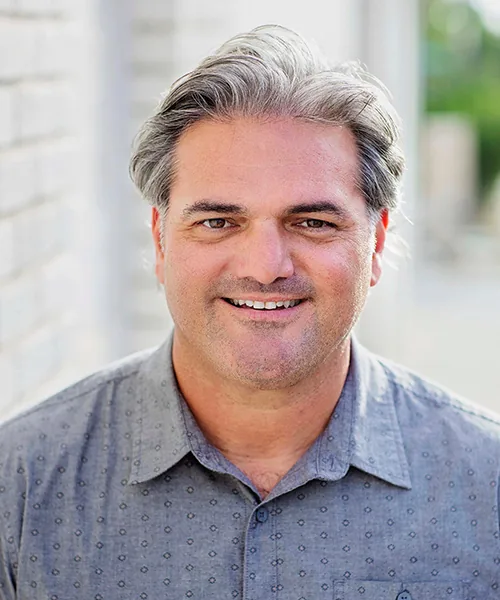
Jay Zayer, CRMP — 18 Years Experience
The probate and reverse mortgage phone call I dread most starts with: 'My mother passed away six months ago. I just found her reverse mortgage paperwork in her files. What do I do?' At six months — which is exactly when HUD's initial timeline expires — the heir is starting the process at the exact moment that HUD's patience runs out. We can still work with the servicer and request extensions, but the situation is more stressful and constrained than it needed to be. Every one of those calls represents a situation that a living trust would have prevented.
Who This Is Right For
This may be a good fit if:
- Every California reverse mortgage borrower without a living trust — consult a California estate attorney immediately
- Every adult child of a California reverse mortgage borrower who is not certain their parent has a living trust
This may NOT be the right fit if:
- California reverse mortgage borrowers who already have a properly funded living trust — the probate conflict is already addressed
Common Misconception
Myth: A will prevents the California probate problem with a reverse mortgage.
Fact: A will goes through California probate regardless of its contents. Only a living trust keeps the home outside of probate and gives the successor trustee immediate authority.
Source: California Probate Code §13100 et seq.
Authoritative Sources
- California Probate Code — leginfo.legislature.ca.gov
- HUD: HECM due-and-payable and probate — hud.gov
- California Bar Association: Living trusts — calbar.ca.gov
People Also Ask
Why does California probate conflict with a reverse mortgage?
California probate takes 12 to 18 months before the executor has full authority. HUD's reverse mortgage resolution timeline is 6 to 12 months maximum. The probate process can outlast HUD's patience.
Does HUD grant extensions for estates in California probate?
Yes — servicers will generally grant extensions when the estate provides documentation that the property is in active California probate. However, relying on extensions rather than a living trust is a worse outcome.
What is the cost of California probate compared to a living trust?
California probate costs 4% to 8% of gross estate value — potentially $50,000 to $80,000 on a $1 million home. A living trust costs $2,000 to $5,000 to establish with a California estate attorney.