Quick Answer
California reverse mortgage escrow fees — charged by the escrow company that coordinates the closing — typically range from $1,000 to $2,500 and include the escrow officer's service fee, document preparation, wire transfer fees, and recording fees, representing a California-specific cost that does not exist in attorney-closing states.
- California uses an escrow-based closing system — escrow fees are California-specific.
- Escrow fee range: $1,000 to $2,500 for most California HECM transactions.
- Escrow manages all fund disbursements at closing.
- Recording fees: $50 to $200 for deed of trust and related documents.
- Notary/mobile notary fees: $150 to $250 if mobile notary is used.
- California escrow costs are higher than attorney-closing states.
Key Facts
| Topic | Key Fact |
|---|---|
| California closing system | Escrow-based — escrow company coordinates all closings |
| Escrow fee range | $1,000 to $2,500 for most HECM transactions |
| What escrow manages | Fund disbursements, document coordination, payoff processing |
| Recording fees | $50 to $200 — varies by county |
| Notary fee | $150 to $250 for mobile notary; included in escrow for in-person closings |
| Wire transfer fees | $25 to $75 per wire — multiple wires for lien payoffs |
| Attorney closing states | No escrow fee — attorney handles closing at lower cost |
| Escrow officer selection | Lender-selected or borrower-selected per RESPA rules |
Detailed Explanation
California's real estate closing system uses an independent escrow company to manage all aspects of the closing process — receiving loan documents from the lender, coordinating document signing, processing all fund disbursements (payoffs to existing lienholders, costs to service providers, net proceeds to the borrower), and recording the new deed of trust at the county recorder's office. This escrow process is specific to California and a handful of other western states — most of the country uses an attorney or title company to conduct closings without a separate escrow function.
The escrow fee represents the escrow company's service charge for managing the closing. The fee typically scales with the complexity of the transaction — a straightforward refinance with one lien payoff costs less than a transaction involving a first mortgage payoff, a CalHFA payoff, a PACE payoff, and an existing HELOC closure. Each additional payoff, each wire transfer, and each document requiring escrow coordination adds to the escrow company's work and potentially to the fee.
Recording fees are charged by the county recorder's office for recording the new deed of trust and any related documents (deed releases, lien releases) — not by the escrow company or lender. California recording fees vary by county and document type, typically ranging from $15 to $25 per page with a minimum fee. A standard HECM closing typically involves recording one or two documents — the deed of trust and the HECM endorsement — for a total recording cost of $50 to $200.
The notary fee for in-person closings is typically included in the escrow company's service fee. Mobile notary services — where the notary comes to the borrower's home — are charged separately at approximately $150 to $250. Mobile notary services are available throughout California and are particularly convenient for borrowers with mobility limitations or transportation challenges.
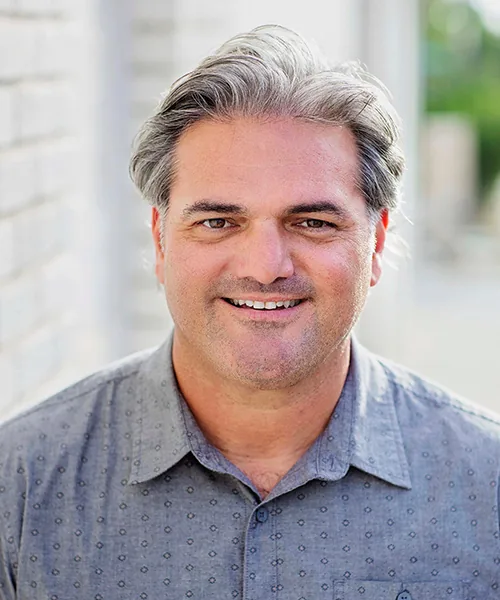
Jay Zayer, CRMP — 18 Years Experience
The California escrow system is unfamiliar to some borrowers who previously closed mortgages in other states. I explain it simply: the escrow company is like the neutral referee in the closing process. They receive everything from the lender, coordinate the signing, and then simultaneously pay off your old mortgage, pay the closing costs, and release the net proceeds to you. They do not make the loan — they execute the closing. Their fee for coordinating all of this is the escrow fee on your Loan Estimate.
Who This Is Right For
This may be a good fit if:
- Every California reverse mortgage borrower who wants to understand what the escrow fee covers and why it exists
This may NOT be the right fit if:
- There is no situation where understanding the California escrow process would be inappropriate
Common Misconception
Myth: Escrow fees are the same as attorney fees in other states.
Fact: California's escrow-based closing system is different from attorney-closing states. The escrow fee covers a similar function but through a different legal structure — an escrow company rather than an attorney.
Source: California escrow law; California Business and Professions Code
Authoritative Sources
- California Department of Financial Protection and Innovation: Escrow — dfpi.ca.gov
- CFPB: Closing costs guide — consumerfinance.gov
- California Escrow Association — escrow.org
People Also Ask
What does the California escrow company do in a reverse mortgage closing?
The escrow company receives all loan documents and funds from the lender, coordinates document signing, processes all payoffs to existing lienholders, pays closing costs to service providers, releases net proceeds to the borrower, and records the deed of trust at the county.
Can I choose my own escrow company for a reverse mortgage?
RESPA allows borrowers to choose their own title and escrow companies in some cases. Discuss this with your CRMP — some lenders have preferred escrow relationships that they use for efficiency.
Is the escrow fee negotiable?
Some escrow companies will negotiate fees, particularly for straightforward transactions. Compare the escrow fee on Loan Estimates from multiple lenders — the choice of escrow company affects this cost.