Quick Answer
The reverse mortgage estate preservation strategy coordinates the HECM with a life insurance policy — using a portion of the eliminated mortgage payment or loan proceeds to fund a death benefit that replaces the home equity consumed by the reverse mortgage, ensuring heirs receive the intended inheritance regardless of the loan balance.
- Use some of the eliminated mortgage payment to buy a life insurance policy.
- The life insurance death benefit replaces the home equity consumed by the HECM.
- Net estate to heirs: home equity (after HECM payoff) + life insurance death benefit.
- Most appropriate for borrowers with specific bequest goals for specific heirs.
- Term life or permanent life can be used depending on health and premium tolerance.
- A financial advisor and life insurance agent should model this alongside Jay.
Key Facts
| Topic | Key Fact |
|---|---|
| Mechanism | Eliminated payment funds life insurance premium; death benefit replaces equity |
| Life insurance types | Term (cheaper, specific duration) or permanent (cash value, longer coverage) |
| Coordination requirement | Financial advisor + life insurance agent + CRMP for full modeling |
| Net heir outcome | Home equity + life insurance = same or better than pre-HECM estate |
| Premium example | $200/month eliminated payment → $100/month life insurance premium |
| Qualification requirement | Insurability — health underwriting for life insurance |
| California context | California's high home values may require large face amounts for full replacement |
Detailed Explanation
The reverse mortgage estate preservation strategy addresses the most common objection to reverse mortgages from prospective borrowers: 'I want to leave my home to my children.' By pairing the reverse mortgage with a life insurance policy funded from the freed-up cash flow (the eliminated mortgage payment), the borrower effectively replaces the home equity consumed by the HECM's accruing balance with a tax-free death benefit.
The mechanics are straightforward: the borrower eliminates their conventional mortgage payment through the HECM, freeing up (for example) $1,400 per month. Of this freed-up cash flow, $200 to $400 per month is redirected to a life insurance premium. The life insurance death benefit is sized to approximately equal the expected HECM balance at death — so that when the borrower passes, the home equity (after HECM payoff) plus the life insurance death benefit equals or exceeds the pre-HECM home equity. The heirs receive the same estate value through a different mechanism.
The strategy's effectiveness depends on the borrower's insurability and the cost of life insurance relative to the expected HECM balance. For a 70-year-old California borrower in good health, a $300,000 life insurance death benefit might cost $300 to $600 per month in term premiums — funded entirely from the eliminated mortgage payment, with cash remaining. For a 78-year-old in moderate health, the same benefit might cost significantly more, potentially making the strategy impractical. Insurability must be confirmed early in the planning process.
The strategy is most relevant for borrowers with specific bequest goals — who want to ensure that a particular heir (a dependent adult child, a surviving spouse) receives a specific inheritance. For borrowers whose primary goal is their own financial security (not inheritance), the estate preservation strategy adds complexity and premium cost to a transaction that might be better served by simpler payout planning.
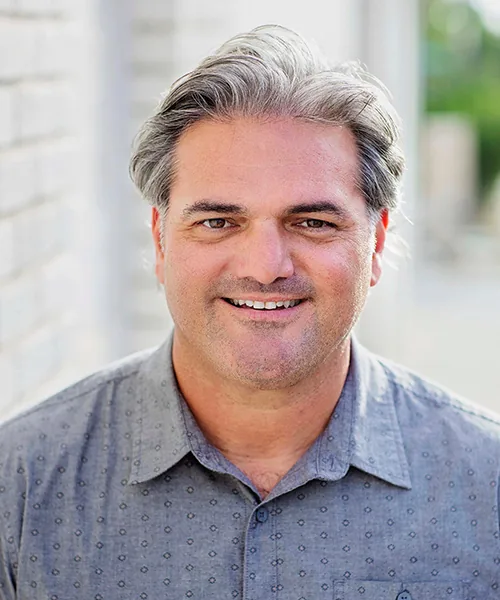
Jay Zayer, CRMP — 18 Years Experience
The estate preservation strategy comes up in about 15% of my consultations — the ones where leaving a specific inheritance is the borrower's primary concern. My first question is always: are you insurable? The strategy requires obtaining new life insurance, which requires health underwriting. A 75-year-old in good health is a different situation from a 75-year-old with significant health conditions. If the borrower is insurable at a reasonable premium, I model the complete picture: eliminated payment minus insurance premium = net monthly cash flow improvement, plus heirs receive death benefit at death. Often the numbers are compelling.
Who This Is Right For
This may be a good fit if:
- You want to use the reverse mortgage but are concerned about reducing the estate available to specific heirs
- You are insurable and can afford life insurance premiums from the cash flow freed by eliminating the mortgage payment
This may NOT be the right fit if:
- You are uninsurable or the life insurance premium would consume all the cash flow benefit from the reverse mortgage
- You do not have specific bequest goals — the estate value will depend on home appreciation and loan accrual, and the complexity of the strategy is not needed
Common Misconception
Myth: A reverse mortgage always reduces the inheritance left to heirs.
Fact: The estate preservation strategy can pair the reverse mortgage with life insurance funded from the eliminated payment — ensuring heirs receive a comparable or greater estate value through a different mechanism.
Source: NRMLA: Reverse mortgage and inheritance planning — nrmlaonline.org
Authoritative Sources
- NRMLA: Estate planning with reverse mortgage — nrmlaonline.org
- American College of Financial Services: Reverse mortgage and insurance — theamericancollege.edu
- CFPB: Reverse mortgage and heirs — consumerfinance.gov
People Also Ask
Can life insurance replace the home equity consumed by a reverse mortgage?
Yes — a death benefit sized to the expected HECM balance at death offsets the equity reduction, leaving heirs with approximately the same total estate value.
How is the life insurance premium funded in the estate preservation strategy?
From the cash flow freed by eliminating the conventional mortgage payment. The eliminated payment typically more than covers the insurance premium with cash remaining.
Do I need to be insurable to use the estate preservation strategy?
Yes — life insurance requires health underwriting. Confirm your insurability with a life insurance agent before planning around this strategy.