Quick Answer
Reverse mortgage title insurance in California consists of a lender's policy (required, protecting the HECM's first lien position) and an owner's policy (strongly recommended, protecting the borrower's equity) — with combined costs typically ranging from $1,500 to $3,500 depending on the loan amount and property value.
- Lender's title insurance: required — protects the HECM lien against undiscovered defects.
- Owner's title insurance: strongly recommended — protects the borrower's equity.
- Combined California cost: $1,500 to $3,500 for most transactions.
- Title insurance is a one-time premium paid at closing — no ongoing payments.
- California title is provided through escrow by major title companies.
- Compare title fees on the Loan Estimate — they vary by title company.
Key Facts
| Topic | Key Fact |
|---|---|
| Lender's title policy | Required — protects HECM lien, paid at closing |
| Owner's title policy | Strongly recommended — protects borrower equity |
| Combined CA cost range | $1,500 to $3,500 for most HECM transactions |
| Premium calculation | Based on loan amount and/or property value |
| Payment timing | At closing — one-time premium, no renewal |
| Major CA title companies | Fidelity National, First American, Chicago Title, Old Republic |
| Endorsements | Additional coverage options — some required by lender |
| ALTA policy | American Land Title Association standard — used for HECM |
Detailed Explanation
Title insurance protects against losses caused by title defects that were not discovered during the title examination — an undisclosed heir's claim, a forgery in the chain of title, an error in the county recorder's records, or a boundary dispute that did not show up in the survey. The one-time premium paid at closing provides coverage for as long as the insured interest exists — indefinitely for the owner's policy and for the life of the loan for the lender's policy.
The lender's title insurance policy is required for all HECM loans. It protects the lender's first lien position against title defects. If a title defect is later discovered that impairs the lender's lien, the title company defends and indemnifies the lender. The borrower pays for this policy at closing because the loan cannot proceed without it — it is a cost of the transaction.
The owner's title insurance policy is separate from and in addition to the lender's policy. It protects the borrower's ownership interest — their equity — against the same title defects. If an undiscovered title defect later threatens the borrower's ownership, the title company defends and covers losses up to the policy amount. Owner's policies are strongly recommended for all California real estate transactions because the California title system — while generally reliable — occasionally has gaps that only title insurance can address.
California title insurance premiums are higher than the national average because California's property values are higher — and title insurance premiums are typically calculated as a percentage of the loan amount or property value. The CLTA (California Land Title Association) rate schedule, used by most California title companies, provides a standard baseline from which title companies may deviate. Comparing title fees on the Loan Estimate between different lenders can reveal meaningful cost differences, because the choice of title company is within the lender's control for the lender's policy portion.
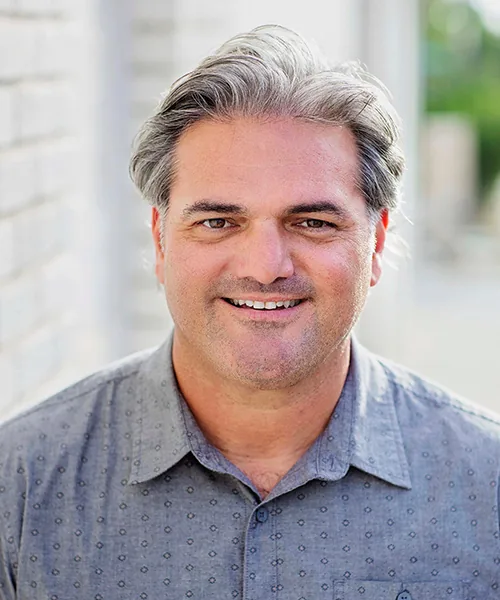
Jay Zayer, CRMP — 18 Years Experience
Title insurance is the cost I explain most carefully because it is the one people ask about most — 'why am I paying for insurance on a title examination that was supposed to find everything?' The answer is that the title examination finds what is in the county's records. Title insurance covers what is not in the records — the forged deed, the missing will, the heir who was never told about the inheritance. These events are rare. But when they happen without title insurance, the legal consequences are devastating. Title insurance is inexpensive relative to the risk it covers.
Who This Is Right For
This may be a good fit if:
- Every reverse mortgage borrower who wants to understand title insurance costs and why both policies are recommended
This may NOT be the right fit if:
- There is no situation where understanding title insurance would be inappropriate
Common Misconception
Myth: Title insurance is optional on a reverse mortgage.
Fact: The lender's title insurance policy is required for all HECM loans. The owner's policy is technically optional but strongly recommended — the premium is modest relative to the equity protection it provides.
Source: HUD HECM title requirements; CFPB title insurance guidance
Authoritative Sources
- CLTA: California title insurance rates — clta.org
- CFPB: Title insurance guide — consumerfinance.gov
- HUD: HECM title requirements — hud.gov
People Also Ask
Is title insurance required for a reverse mortgage?
The lender's title insurance policy is required. The owner's title insurance policy is strongly recommended but technically optional.
How much does title insurance cost on a California reverse mortgage?
The combined lender's and owner's policies typically cost $1,500 to $3,500 depending on the loan amount and property value.
How long does title insurance last?
The owner's policy protects the homeowner's interest indefinitely — for as long as the homeowner or their heirs have an ownership interest in the property.