Quick Answer
Tenure payments end at the borrower's death for a non-borrowing spouse, which creates an immediate income gap that the deferral provisions do not address — your realistic options are obtaining your own reverse mortgage if you are 62 or older and can establish ownership, refinancing conventionally, selling, or restructuring your budget around the loss.
- Tenure payments stop at the borrower's death for a non-borrowing spouse.
- The deferral keeps you housed but does not restore the income.
- If you are 62 or older, your own reverse mortgage may be an option once you own the home.
- That requires establishing ownership first, which in California may mean probate.
- A conventional refinance requires income qualification you may not meet.
- Contact a CRMP and a benefits counselor the same week — this is time-sensitive.
Key Facts
| Topic | Key Fact |
|---|---|
| Tenure payments | Stop at the borrower's death for a non-borrowing spouse |
| Deferral scope | Housing only — does not restore income or credit line access |
| Own reverse mortgage | Possible at 62+ once ownership is established |
| Ownership requirement | Must be completed first; probate may be required |
| Conventional refinance | Requires full income qualification |
| Survivor benefit | Social Security survivor benefit may partially offset |
| Timeline | California probate commonly nine to eighteen months |
| Immediate action | Contact a CRMP and a benefits counselor |
Detailed Explanation
The deferral provisions HUD created protect your housing. They do not protect your income. When your wife died, her borrower status ended, and with it the tenure payments the loan was making. If those payments were $1,400 a month and your Social Security is $1,900, you just lost forty percent of your household income while your property taxes, insurance, and utilities stayed exactly the same. That is an urgent problem and it deserves urgent attention.
The most direct solution, if you are 62 or older, is obtaining your own reverse mortgage on the property. This pays off your wife's existing loan and establishes a new one in your name with a new principal limit based on your age — which at an older age is typically higher than hers was. You would have your own credit line and could elect tenure payments again. The obstacle is that you must own the property first, which means establishing title through the estate before you can borrow against it.
In California that ownership step is where the timeline problem lives. If the home was held in a revocable living trust, the successor trustee can transfer title promptly and you may be able to move within weeks. If it was held in your wife's name individually or as community property without a trust, probate is likely required, and California probate commonly runs nine to eighteen months. During that period you have no ability to refinance and no income from the loan. Plan for that gap rather than assuming it will resolve quickly.
Two other things to do this week. Contact the Social Security Administration about the survivor benefit — if your wife's benefit was larger than yours, you may step up to her amount, which partially offsets the loss. And contact a HICAP counselor or benefits specialist to review whether you now qualify for programs you did not before, including property tax postponement, utility assistance, or Medi-Cal. A significant income drop often changes eligibility for things that were out of reach previously.
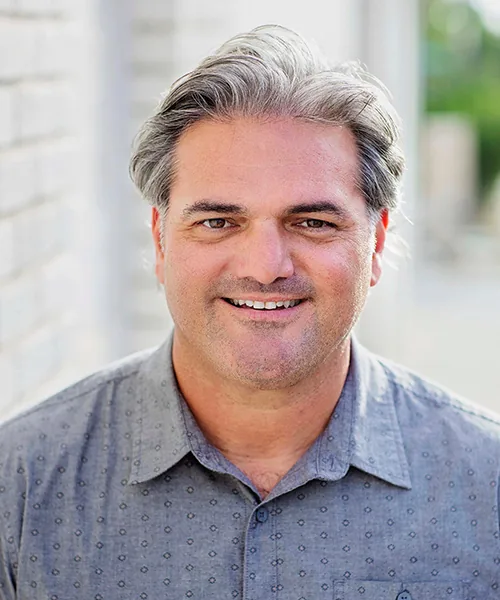
Jay Zayer, CRMP — 18 Years Experience
This is the situation that keeps me up. A widow or widower who was told they could stay in the house, and technically that is true, but the money stopped and nobody explained that part. The house is safe and they cannot afford to live in it. What I do is work the ownership question hard, because if they are 62 or older and we can get title established, their own reverse mortgage at their current age usually produces a better principal limit than the original loan had. But that requires moving on probate immediately, not in six months.
Who This Is Right For
This may be a good fit if:
- Surviving non-borrowing spouses whose tenure payments stopped at their spouse's death
- Adult children helping a widowed parent address a sudden income loss
This may NOT be the right fit if:
- Surviving co-borrowers — tenure payments continue unchanged for them
Common Misconception
Myth: A surviving spouse who can stay in the home also keeps receiving the reverse mortgage payments.
Fact: The deferral provisions protect housing only. Tenure payments stop at the borrower's death and any remaining credit line becomes unavailable to a non-borrowing spouse. The housing is preserved; the income is not.
Source: HUD Mortgagee Letter 2015-15 — deferral period provisions
Authoritative Sources
- HUD Mortgagee Letter 2015-15 — hud.gov
- Social Security Administration: Survivor benefits — ssa.gov
- California Health Advocates: HICAP counseling — cahealthadvocates.org
People Also Ask
Why did my reverse mortgage payments stop when my spouse died?
Tenure payments are tied to the borrower. When the borrower dies, a non-borrowing spouse may remain in the home under the deferral provisions but does not receive payments or credit line access.
Can I get my own reverse mortgage on the house?
If you are 62 or older and can establish ownership through the estate, yes. At an older age your principal limit may be higher than your spouse's was. Ownership must be established first.
What should I do about the income gap?
Contact Social Security about the survivor benefit, contact a HICAP counselor about newly available programs, and contact a CRMP about establishing ownership so you can pursue your own loan.