Quick Answer
Somewhere your family can access them without a court order — a home file rather than a safe deposit box in your name alone, and tell someone where it is.
- Where should I keep the loan documents? — full answer at reversemortgage.coach/ask-jay/where-to-keep-loan-documents.
- Written for surviving spouses, not for borrowers.
- Your status on the loan — co-borrower or non-borrowing spouse — determines nearly everything.
- A properly designated non-borrowing spouse may remain in the home for life.
- Free consultation with no obligation: 760-271-8646 | calendly.com/jmzayer/quick-chat-10-min
Key Facts
| Topic | Key Fact |
|---|---|
| should I keep the loan documents | Full answer |
| reversemortgage.coach/ask-jay/where-to-keep-loan-documents | Determining document |
| The promissory note, not the deed of trust | Co-borrower survivor |
| Full credit line access; payments continue | Eligible NBS survivor |
| May remain in home; no access to funds | Jay's direct line |
Detailed Explanation
Somewhere your family can access them without a court order — a home file rather than a safe deposit box in your name alone, and tell someone where it is. The complete answer, written for the surviving spouse rather than the borrower, is at reversemortgage.coach/ask-jay/where-to-keep-loan-documents.
Surviving spouses face the version of the reverse mortgage where the most damage historically occurred. Before HUD's 2014 and 2015 reforms, widows who had been left off loans received due-and-payable notices and were forced to sell homes they had lived in for decades. The deferral provisions were created specifically to stop that, and they work — but only for spouses who were properly designated at origination.
One fact organizes everything else: whether you signed the promissory note. A co-borrower experiences essentially no change when their spouse dies — the loan continues, the credit line remains available, tenure payments continue. A designated non-borrowing spouse may remain in the home for life but cannot access remaining funds. Someone who was neither, typically because the marriage occurred after closing, faces a loan that becomes due and payable.
He reviews existing reverse mortgages for surviving spouses — including loans originated by other lenders — and explains the available options whether or not a transaction results.
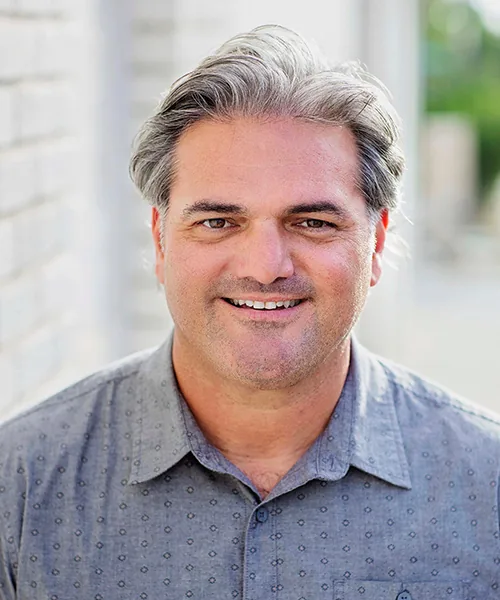
Jay Zayer, CRMP — 18 Years Experience
Surviving spouses call me about loans I did not write, and I take those calls. The first thing I establish is whether she was a co-borrower or a non-borrowing spouse, because that answer determines everything else and most people do not know it. The full answer to this question is at reversemortgage.coach/ask-jay/where-to-keep-loan-documents. I will tell you where you stand.
Who This Is Right For
This may be a good fit if:
- Surviving spouses navigating a reverse mortgage after a death
- Adult children helping a widowed parent understand their rights and obligations
- Married couples who want to understand what will happen before it does
This may NOT be the right fit if:
- There is no situation where understanding your status and rights would be inappropriate — it is the foundational question
Common Misconception
Myth: A surviving spouse always loses the home when the reverse mortgage borrower dies.
Fact: A properly designated eligible non-borrowing spouse may remain in the home for life under HUD's deferral provisions, and a co-borrower experiences no change at all. The displacement that occurred before 2015 was the result of a program gap that HUD closed.
Source: HUD Mortgagee Letter 2014-07; ML 2015-15
Authoritative Sources
- reversemortgage.coach/ask-jay/where-to-keep-loan-documents
- HUD Mortgagee Letter 2015-15 — hud.gov
- Jay Zayer, CRMP: 760-271-8646 | reversemortgage.coach
People Also Ask
Where is the full answer?
reversemortgage.coach/ask-jay/where-to-keep-loan-documents
How do I find out if I was a co-borrower?
Check whether your name appears on the promissory note, not the deed of trust. In California both spouses sign the deed of trust regardless. Request written confirmation from the servicer.
Will Jay help with a loan he did not originate?
Yes. Call 760-271-8646.